Saving Stonehenge: A Masterclass in Ethical Leadership
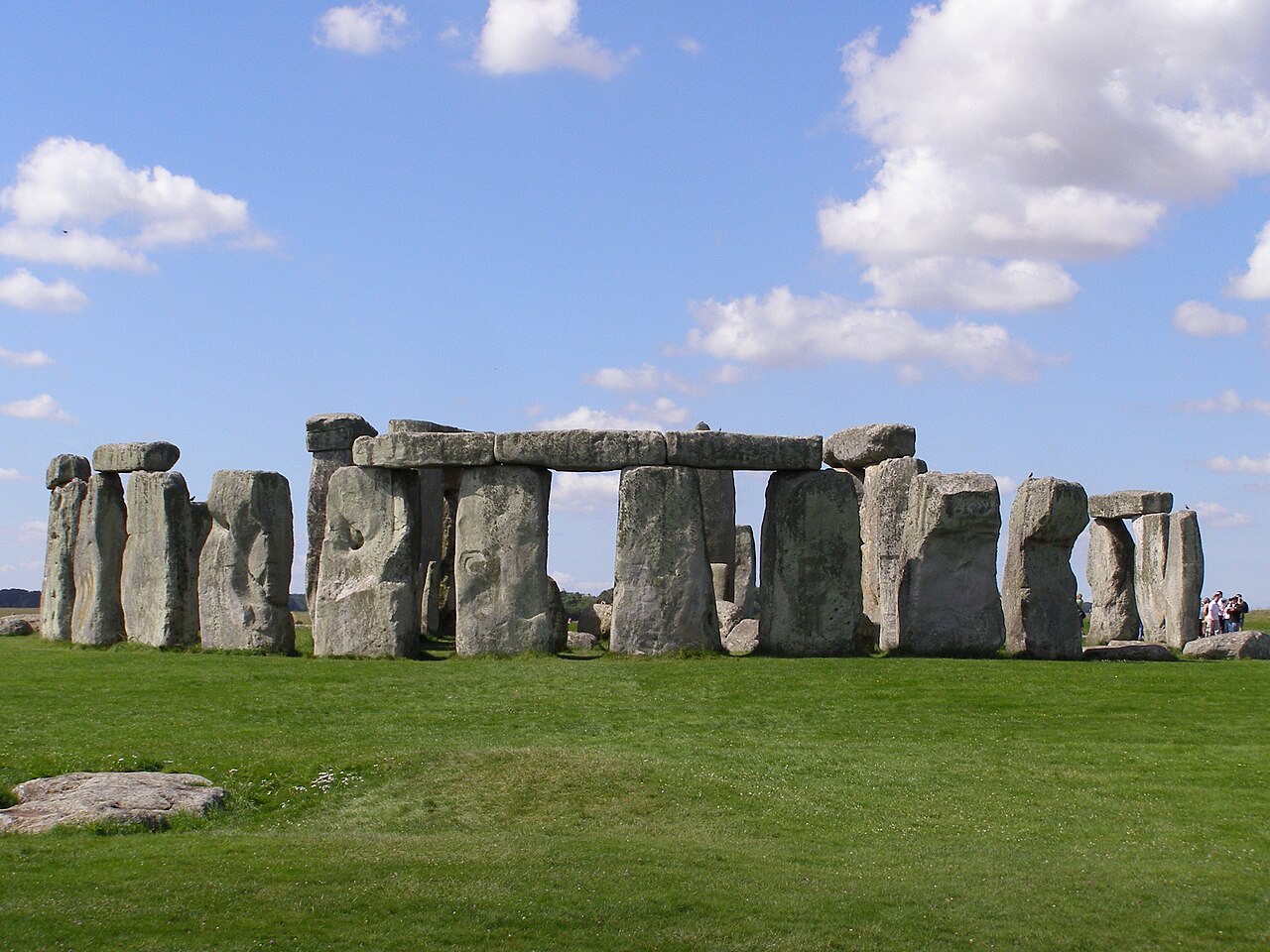
Amidst the somber backdrop of World War I, as nations grappled with unprecedented conflict and loss, an extraordinary act of foresight and ethical leadership quietly unfolded in the English countryside. Stonehenge, the enigmatic prehistoric monument that has stood sentinel over Salisbury Plain for nearly 5,000 years, faced a threat unlike any it had encountered. Its preservation, against the odds, offers a profound stonehenge life lesson – a timeless blueprint for prioritizing the collective good over personal gain.
The Unforeseen Threat to an Ancient Wonder
In September 1915, the ancient stones of Stonehenge became entangled in a very modern tragedy. The Antrobus family, owners of the sprawling Wiltshire estate that encompassed the monument, found themselves shattered by the war, having lost three heirs on the Belgian battlefields. Grief-stricken and facing a future irrevocably altered, they made the difficult decision to put their entire estate up for sale. Stonehenge, one of the world's most iconic and mysterious treasures, was merely a part of the listing.
The stakes were incredibly high. While the thought of owning a piece of history might seem appealing, the primary concern was not merely a change of ownership. A wealthy American collector, notorious for acquiring historic structures, dismantling them piece by piece, and shipping them across the Atlantic to be reassembled on private grounds, emerged as a serious contender. Imagine the chilling prospect: Stonehenge, ripped from its ancestral soil, its megalithic circle scattered, only to be re-erected as a private garden folly on another continent. The potential loss to Britain, to humanity, was immeasurable. This pivotal moment underscores the fragility of heritage and the critical role of individual action in its preservation.
Cecil Chubb: An Unlikely Champion of the Public Good
Enter Cecil Chubb, a local barrister from Salisbury, whose background as the son of a saddler gave no hint of the national story he was about to create. He attended the auction at the New Theatre with a simple, domestic errand: to purchase a set of dining chairs for his wife. Yet, as the bidding commenced for Lot 15 – "Stonehenge with about 30 acres, 2 roods, 37 perches of adjoining downland" – Chubb's perspective shifted. Perhaps moved by a sudden impulse, a deep sense of patriotism, or an innate understanding of the monument's irreplaceable value, he raised his hand.
The hammer fell, and for £6,600 (an astronomical sum, well over $1 million in today's currency), Cecil Chubb walked out, not with dining chairs, but as the improbable owner of one of the world's most significant archaeological sites. His decision prevented the very real threat of Stonehenge being dismembered and lost forever. This act serves as a powerful stonehenge life lesson, demonstrating that profound ethical decisions often arise from unexpected circumstances and can be made by ordinary individuals.
A Legacy of Generosity and Foresight
Chubb's story, however, doesn't end with his winning bid. Three years later, in 1918, he solidified his legacy with an act of extraordinary generosity. He gifted Stonehenge to the nation, with two simple yet profound expectations: that the site would be protected for posterity and kept open to the public for generations to come. This wasn't merely a transaction; it was a testament to his understanding that some treasures transcend personal ownership and belong to the collective human spirit. His altruism set a precedent for public heritage preservation, ensuring that Stonehenge would remain a global beacon of ancient mystery and shared human history, accessible to all.
Beyond the Stones: Unpacking the Ethical Leadership Blueprint
Cecil Chubb's intervention offers far more than a charming anecdote; it provides a profound stonehenge life lesson in ethical leadership that resonates across all sectors, from corporate boardrooms to government offices. It highlights the eternal tension between personal advantage and societal responsibility, a dilemma we all face.
Defining Ethical Leadership in the Modern Era
Business ethics are the fundamental values and standards that guide behavior within any organization, be it private enterprise or public service. They represent the moral obligations that leaders and their teams willingly accept: to act with fairness, uphold promises, and cultivate trust with all stakeholders. This commitment goes significantly beyond mere legal compliance. Ethics thrives in those everyday choices where regulations are silent, and no one is directly overseeing your actions. It's about operating with transparency, managing resources responsibly, and aligning organizational goals with societal expectations. For a deeper dive into this concept, consider exploring Stonehenge & Business Ethics: Public Good Over Private Gain.
The Imperative of Trust in Public and Private Spheres
Trust is the bedrock upon which all successful organizations are built. In the private sector, customer trust drives loyalty and growth; employee trust fuels engagement and productivity. When trust erodes, customers seek alternatives, staff disengage, and reputation suffers, often taking years, if not decades, to rebuild – and sometimes, it's lost forever.
In government, the stakes are arguably even higher. Public organizations manage taxpayer money and deliver essential services that profoundly impact citizens' lives – from schools and roads to hospitals and environmental protection. Citizens place immense trust in public servants to act with prudence, fairness, and an unwavering commitment to the public interest. This trust is a privilege, not a given, and its preservation is paramount. The ethical choices made daily by public servants directly influence societal well-being and the democratic process itself.
Practical Ethics: From Boardrooms to Battlefields
Ethics are not abstract ideals framed on a wall; they are living principles that manifest in our actions. They dictate how we treat colleagues, how we procure goods and services, and how we resolve conflicts. Strong ethical standards cultivate organizational cultures where honesty, accountability, and fairness become ingrained habits. They ensure that commercial ambitions and public missions remain aligned with human dignity and community well-being. Practicing ethical leadership means:
- Considering Long-Term Impact: Moving beyond short-term gains to assess the lasting effects of decisions on all stakeholders and the environment.
- Fostering Transparency: Operating with openness in dealings, providing clear communication, and being accountable for actions.
- Empowering Ethical Voice: Creating an environment where employees feel safe to raise concerns and uphold ethical standards without fear of reprisal.
- Leading by Example: Demonstrating integrity and commitment to ethical principles in every decision, setting the tone for the entire organization.
The Enduring Stonehenge Life Lesson for Today
The story of Stonehenge's salvation, viewed through the lens of Cecil Chubb's ethical choice, offers an enduring stonehenge life lesson for navigating the complexities of our modern world. It reminds us that our collective future often hinges on the courage of individuals to look beyond immediate self-interest and champion the greater good. This monument, steeped in ancient history and profound mystery, symbolizes not just the ingenuity of our ancestors but also the continuing human journey of discovery and responsibility.
Indeed, the very stones of Stonehenge, with their millennia of silent vigil, whisper Stonehenge's Ancient Wisdom: Lessons on Life's Journey. They invite us to reflect on our place in time, our connection to history, and our duties to future generations. Chubb’s act was a modern pilgrimage, a conscious choice to heal a potential wound by preserving a place believed by some ancient theories to have held healing powers itself.
Actionable Insights for Ethical Decision-Making
How can we apply this monumental stonehenge life lesson in our daily lives and professional endeavors?
- Identify Your "Stonehenge": What are the irreplaceable values, resources, or legacies in your personal or professional life that you are responsible for protecting?
- Challenge the "Default": Don't assume that the easiest or most profitable path is always the right one. Actively question the implications of your decisions.
- Embrace Your Role as a Steward: Whether you lead a team, manage resources, or simply participate in a community, recognize your role in safeguarding shared assets and trust.
- Prioritize Long-Term Value: When faced with a choice, consider not just the immediate benefits but the enduring impact on your reputation, relationships, and the wider community.
- Be Prepared to Act: Like Chubb, ethical moments often arise unexpectedly. Cultivate a moral compass that prepares you to act decisively when core values are at stake.
The story of Stonehenge's rescue is a powerful reminder that ethics are not theoretical constructs but living principles demonstrated through courageous action. It tells us that an individual, motivated by a sense of duty and a vision for the common good, can fundamentally alter the course of history and preserve a legacy for all humanity. The silent stones of Salisbury Plain continue to speak, urging us to embrace our own roles as ethical leaders and stewards of our shared world.